
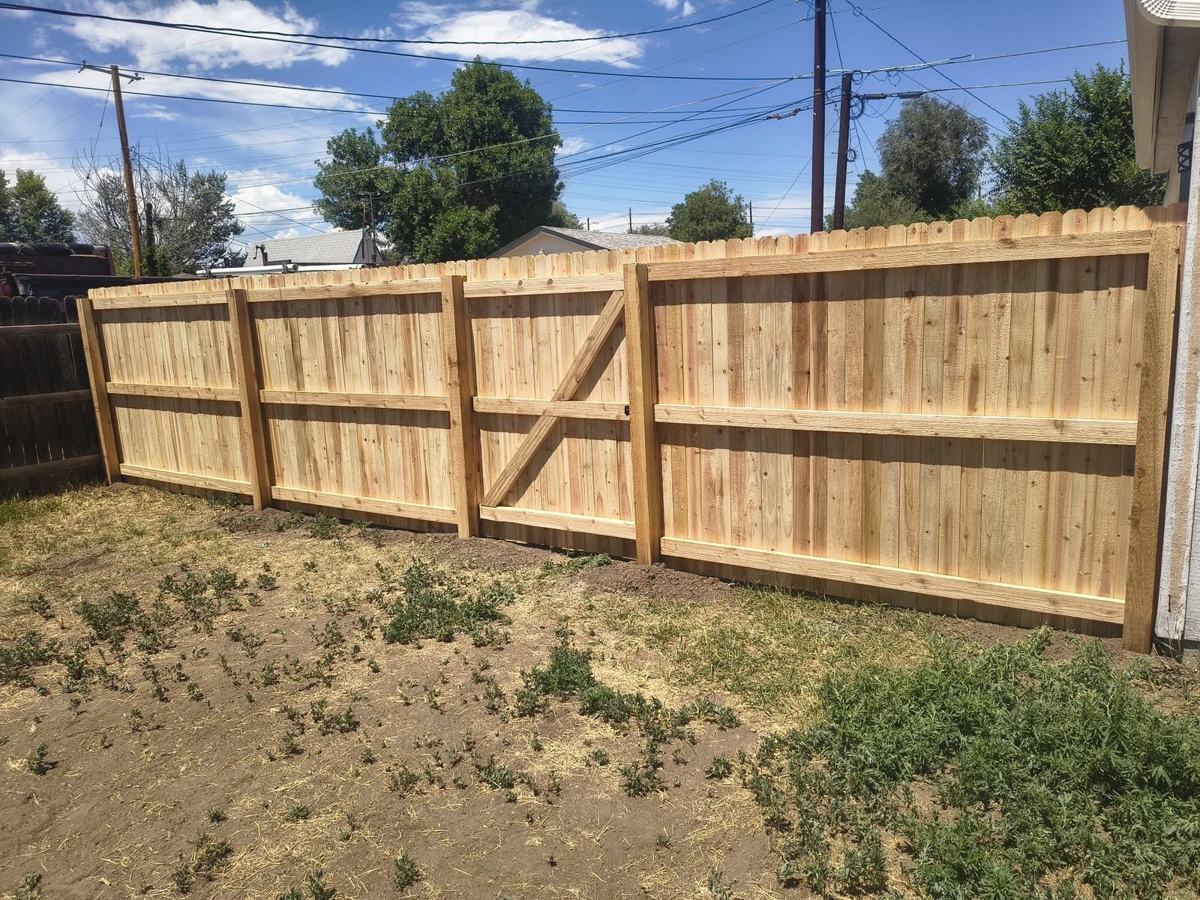
A new fence is a big investment, and having to tear it out because of a permit, an HOA letter or a cut gas line is the worst possible outcome. Here are three things to check before any digging starts.
1. Your city's fence rules
Every city along the Front Range sets its own fence rules, and they vary more than people expect. Littleton, for example, requires a building permit for every fence and limits front-yard fences to 48 inches. Side and rear fences there can be up to 6 feet. Other cities only need a zoning review, or no permit at all, for a standard backyard fence.
The rules that come up most often:
- Height limits. Usually lower in front yards (often around 4 feet) than in back yards (often 6 feet).
- Corner lots. Many cities keep a clear sight zone near intersections and driveways.
- Open space. Some lots in Erie and other towns that back onto open space or trails must use open styles like split rail.
- Easements. Fences in utility or drainage easements may have to be removed if a utility needs access.
Search for your city's name plus "fence permit," or call the building department. If you're in unincorporated land, the county's rules apply instead.
If the fence will sit on the line between two yards, also read our guide to shared fences, property lines and neighbors.
2. HOA approval
If you have an HOA, assume you need written approval before you build. HOAs often set the style, height, color and which side of the boards faces out. Many require "good neighbor" fences that look finished from both sides. Submit your request early, because some boards only meet once a month. We can give you the drawings and material specs most HOAs ask for.
3. Call 811 before anyone digs
Colorado law requires a call to Colorado 811 at least two full business days before you dig, not counting the day you call. It's free. You can call 811 or submit a ticket online at colorado811.org. Utility companies then mark their buried gas, electric, water and cable lines with paint or flags.
811 only marks lines the utility companies own. Sprinkler lines, invisible dog fences, landscape lighting and lines to a shed or hot tub are yours, and they won't be marked. Show your installer where you know they run.
Bonus: know where your property line is
If you're building right on the line, look at your plat or improvement survey and find the corner pins. If there's any doubt, talk to the neighbor first, or set the fence a few inches inside your own line.
When you hire Blu Bear Stone, we check the city and HOA rules for your address and call in the 811 locates before we schedule your install. Ask for a free estimate and we'll take it from there.